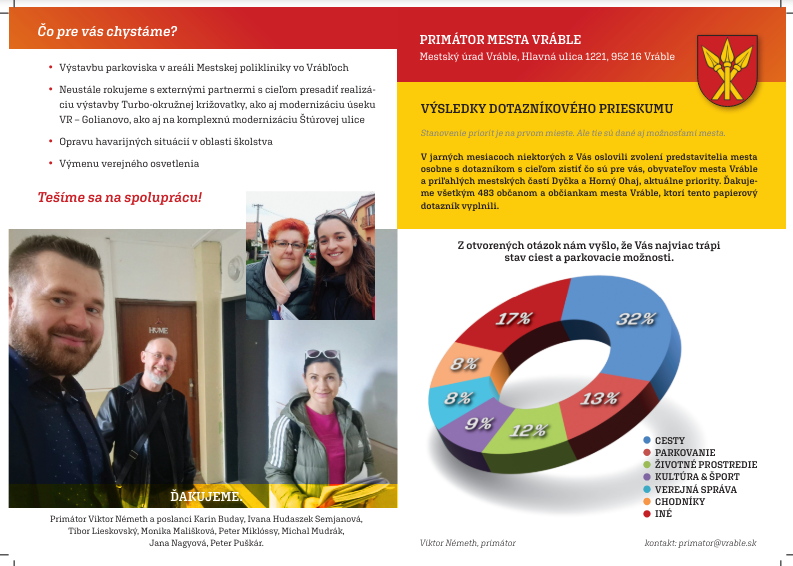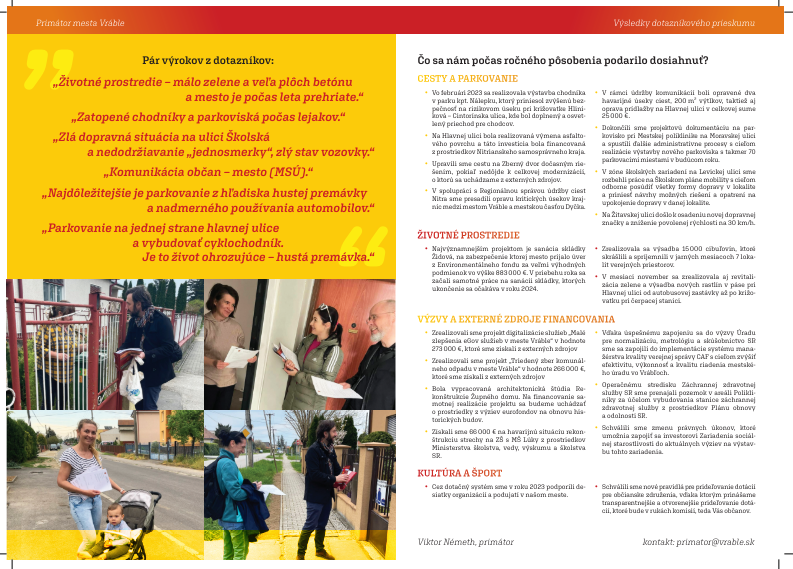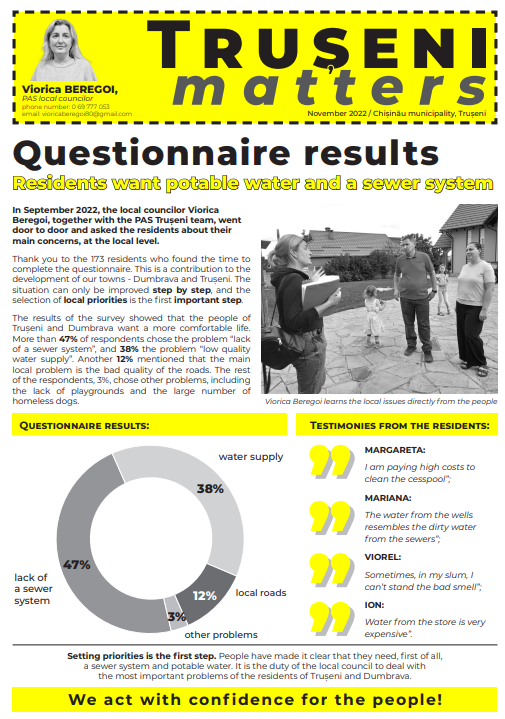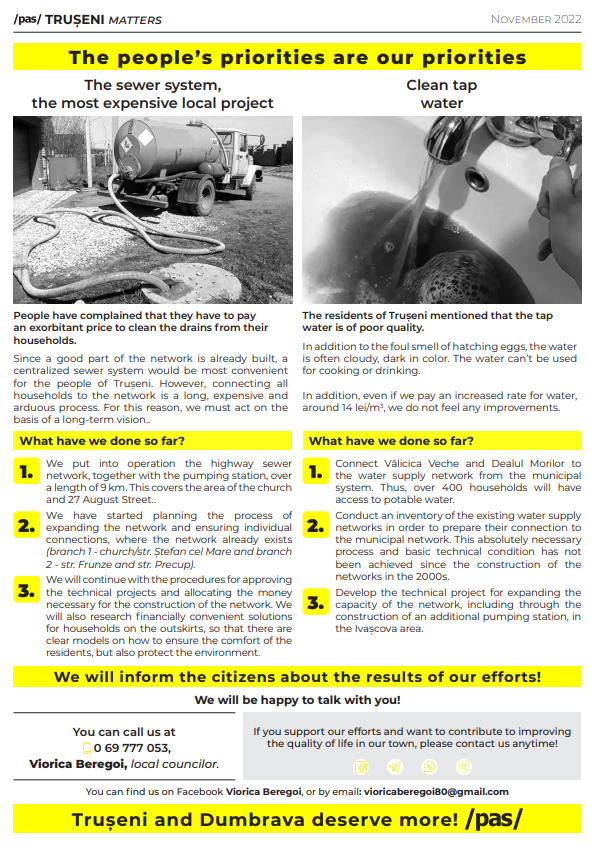
After consulting with the local authority and initial outreach to civil society, your team’s next step is communicating with the public to validate your findings. Publish your findings with at least a brief outline of your next steps, including preliminary solutions.
This report is the first time the public is seeing and hearing a summary of its feedback. This is a key moment for trust building, as your team directly answers the resident asking, “Did you hear my opinion? Does my opinion matter?” with a resounding “Yes! We heard you – here’s what we’re doing about it (and how you can get involved).”
Generate a publication: Reporting on results and next steps
The publication should describe the findings and indicate proposed next steps. Follow the guidance for presenting survey results discussed earlier and refer to the examples provided in Box 22. In addition, a template with detailed instructions for this publication can be found in Annex XI: Public Reporting Templates.
Regarding next steps, determine whether you intend to enter into dialogue with the public to codesign solutions (see Step 7) or – if you are already prepared to take specific actions on the priorities identified in the survey – whether you are prepared to present actions to be taken now. If you intend to seek further input from the public, provide instructions or further information on how residents can get involved.
Ensure the form and content of the publication (or handout, pamphlet or report) is accessible to diverse residents. Use simple rather than technical language, explain any complex terminology, structure the report in an organized way and avoid crowding the space with too much text. Consider also whether multiple language versions and easy-to-understand visual aids (like the bottom pie chart in the Moldova example in Box 22) should be used so that people with low literacy levels can more easily grasp the key issues being discussed.
How will your team distribute and communicate this information to the public? It can take the form of a hard copy that is printed and distributed through the mail or a local newspaper, or it can be a PDF or similar file that is published online. You can distribute the materials through public meetings, local media, or online through the municipal website or social media. However, if you plan to communicate with residents, try to reach as many people as possible.